
The Art of Slowing Down
in a World That Won't Stop
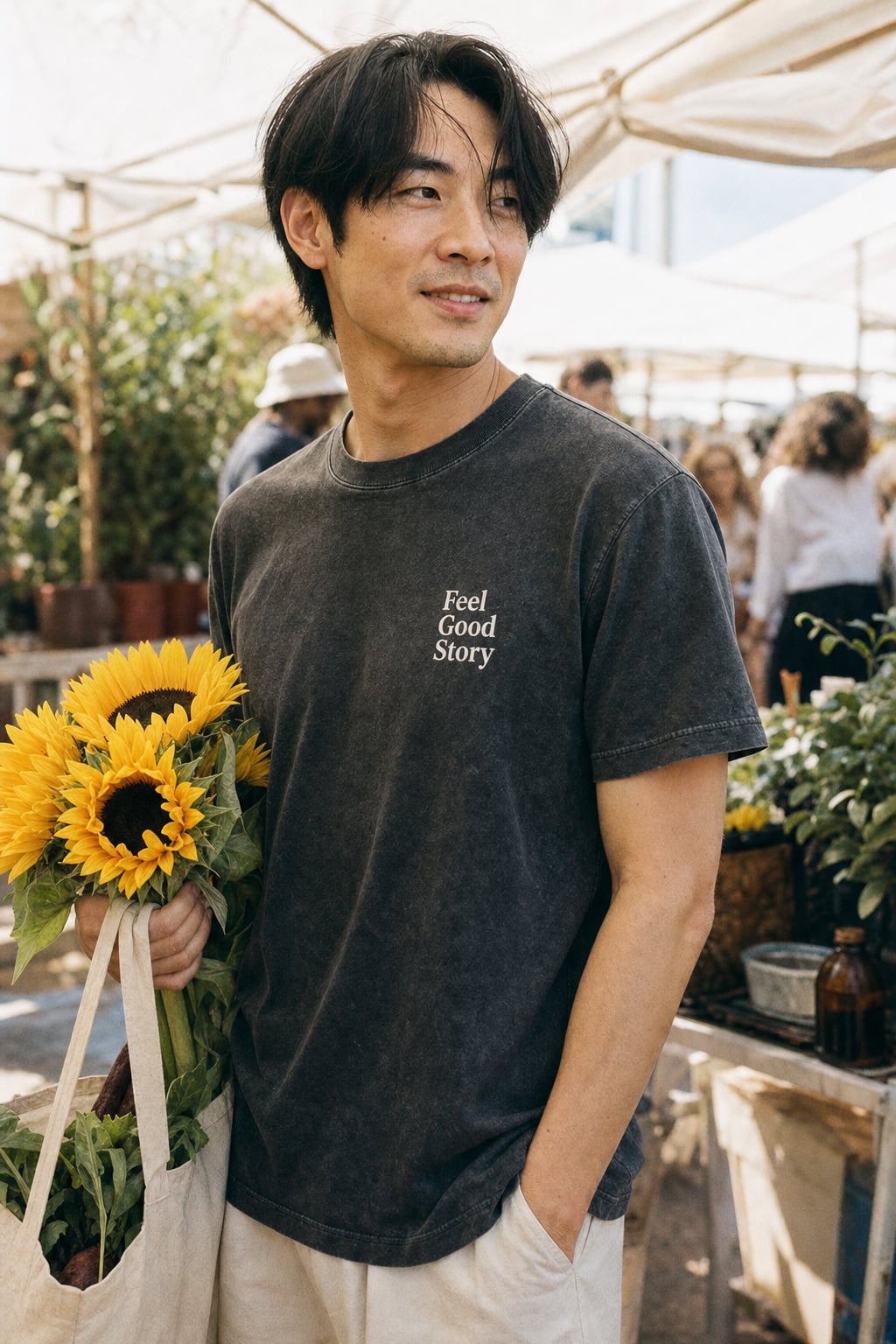
There's a particular kind of exhaustion that doesn't come from doing too much. It comes from never stopping. From the constant hum of notifications, obligations, content, and noise. From the feeling that if you pause for even a moment, something important will slip through the cracks, or worse, that you'll fall behind in a race you never consciously chose to enter.
This is the exhaustion of our time. And it's not solved by a vacation, a digital detox, or a weekend off. It's solved by something more fundamental: learning to live at a different pace. On purpose. Every day.
Intentional living, slowing down not as a retreat from life but as a more deliberate engagement with it, is one of the most countercultural and most necessary acts available to us right now. Here's how to actually do it.
"Almost everything will work again if you unplug it for a few minutes, including you."
Anne LamottThe Busyness Trap
Busyness has become a status symbol. "How are you?" "Busy!" We say it like it's a badge of importance, proof that our lives matter, that we're in demand. But research on subjective wellbeing tells a different story: people who report feeling constantly rushed and busy consistently report lower life satisfaction, worse relationships, poorer health, and less creativity than those who feel they have adequate time.
The trap is this: busyness feels productive. It creates the sensation of forward momentum. But much of what we call "busy" is actually reactive, responding to other people's urgencies, consuming other people's content, filling time with noise rather than meaning. We're moving fast, but often not toward anything we actually chose.
Slowing down isn't about doing less. It's about doing what matters, and doing it with your full attention.
Attention Is the Currency
The modern world is an attention economy. Every app, every notification, every piece of content is designed by teams of engineers to capture and hold your focus for as long as possible. Your attention is being harvested, and when it's gone, so is your sense of presence, your creativity, and your capacity for genuine enjoyment.
Slowing down is fundamentally an act of reclaiming your attention. Deciding where it goes. Protecting it from the endless bids for it. And redirecting it toward the people, experiences, and work that you actually care about.
This is harder than it sounds in a world engineered to make it hard. But it's entirely possible, and the rewards are immediate and profound.

Walking without a destination or a podcast is one of the most radical acts of intentional living available to you.
Practices for Slowing Down
Single-Tasking
Multitasking is a myth. What we call multitasking is actually rapid task-switching, and it comes at a significant cognitive cost, studies suggest it reduces productivity by up to 40% and increases errors substantially. More importantly, it prevents you from ever being fully present in anything you're doing.
The practice: do one thing at a time. When you eat, eat. When you talk to someone, put the phone face-down and actually listen. When you work, close the other tabs. The quality of your attention is the quality of your life.
Deliberate Transitions
Most of us rush from one thing to the next without pause. Meeting to meeting. Task to task. The day becomes a blur of activity with no space between. Deliberate transitions, even just two minutes of stillness between activities, reset your nervous system, allow you to arrive fully in the next thing, and create the subjective experience of having more time.
Try this: before you move from one task to the next, take three slow breaths. Notice where you are. Notice how you feel. Then decide, consciously, what you're moving toward.
Analog Anchors
Build moments of analog experience into each day, experiences that don't involve a screen. A handwritten journal. A book made of paper. A meal cooked from scratch. A walk without earbuds. These anchors serve as islands of presence in a sea of digital stimulation. They slow time down in the best possible way.
Protect the Edges of Your Day
The first and last hours of your day are the most formative. How you start and end shapes everything in between. Protect these hours from screens, from news, from other people's demands. Use them for yourself, for stillness, for reflection, for the practices that nourish you. Even 20 minutes at each end of the day creates a meaningful buffer between you and the noise.
"The pace at which you live determines what you notice. Slow down enough, and the ordinary becomes extraordinary."
Ada, Co-founder of Feel Good StoryThe Power of the Considered No
Every yes is a no to something else. Every commitment you make is time and attention taken from something, or someone, that might matter more. Learning to say no, kindly, clearly, without excessive explanation, is one of the most powerful acts of intentional living.
Before you say yes to something, ask: Does this align with what I actually value? Does this move me toward the life I want to live? Or am I saying yes because it's easier than saying no, because I'm afraid of disappointing someone, because I feel like I should?
A considered no is an act of integrity. It protects your time for what genuinely matters. And it models for the people around you that it's okay to have limits.
The Feel Good Pace
At Feel Good Story, we talk a lot about living intentionally, about making choices that reflect your values rather than just responding to the world's demands. Slowing down is central to that. Not because slow is always better, but because intentional is always better than reactive.
The goal isn't to do nothing. It's to do the right things, with full attention, at a pace that allows you to actually be there for them. To taste the coffee. To hear what your friend is actually saying. To notice the sunset instead of photographing it. To feel the satisfaction of work done with care rather than work done in a blur.
That's the feel good life. Not faster. Fuller.
More like this,
every week.
Wellness tips, mindset shifts, and a little inspiration, straight to your inbox.
No spam. Unsubscribe any time.